
What changed after Osong
- Reports found no underpass flood-response manual at the time
- The Board of Audit asked for risk-based closure criteria for 159 underpasses
- Closure trigger tightened from 15 cm to 5 cm of flooding (reported from the Ministry of the Interior and Safety)
- More entry barriers and a designated officer per underpass
What delays the decision
- Water rises within tens of minutes in short, intense rain
- Distant stations cannot show rain at the site
- By the time water is visible on CCTV it may be too late
How to move it earlier
- 01
Rain
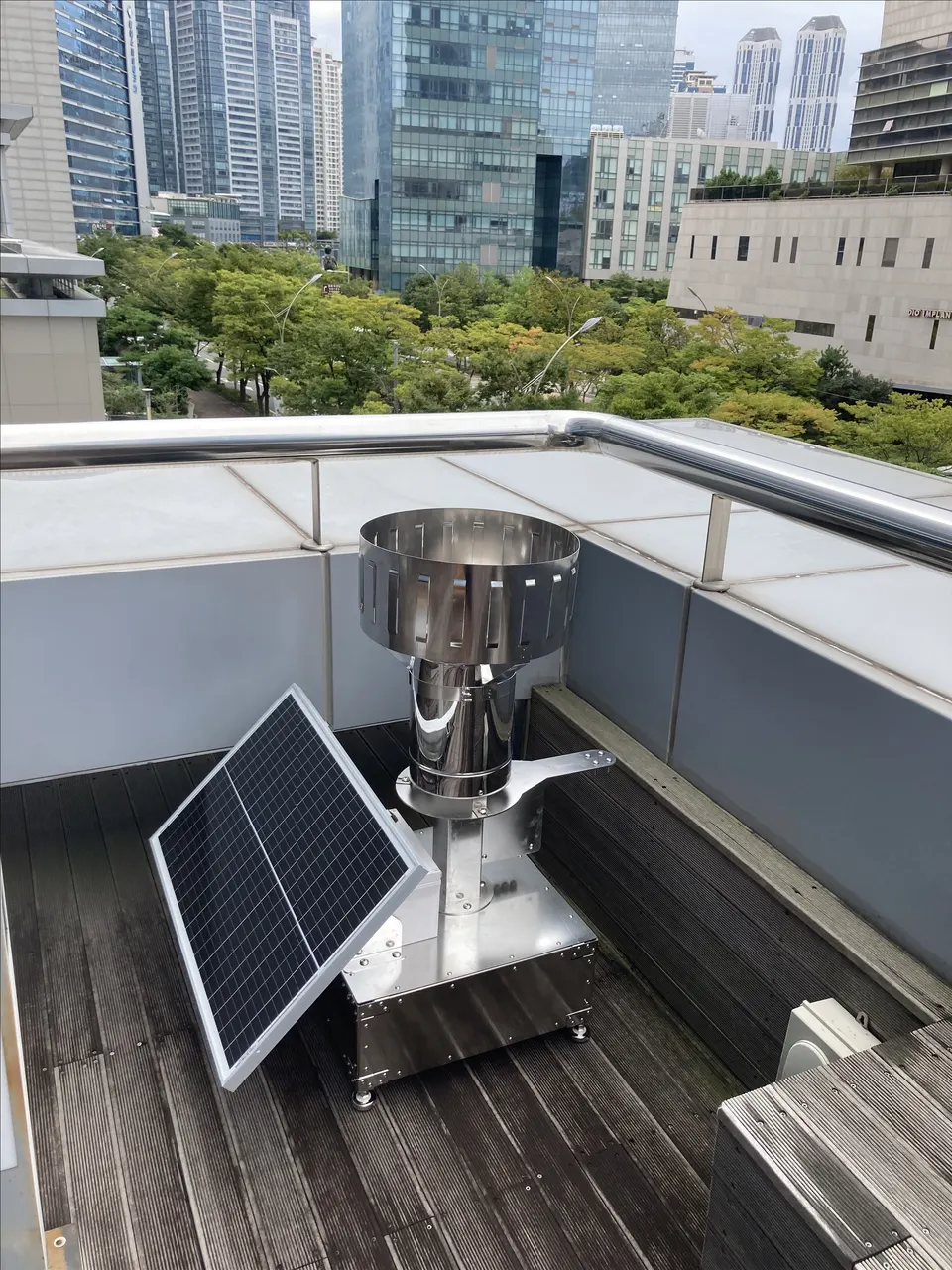
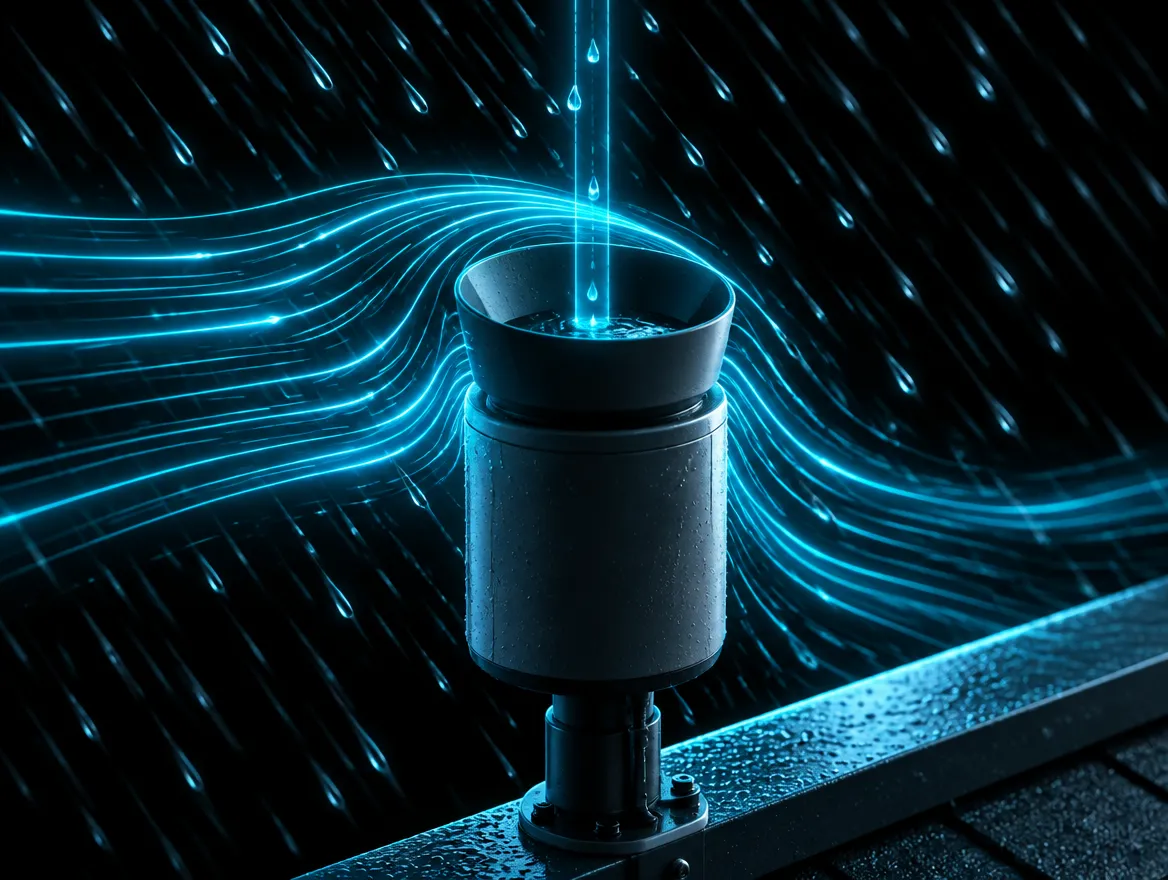
1-minute rain beside the underpass, tracking 10-minute and hourly totals
- 02
Forecast
Early warning when rain is expected to exceed drainage capacity
- 03
Confirm
Water-level gauges and CCTV confirm actual flooding
- 04
Close
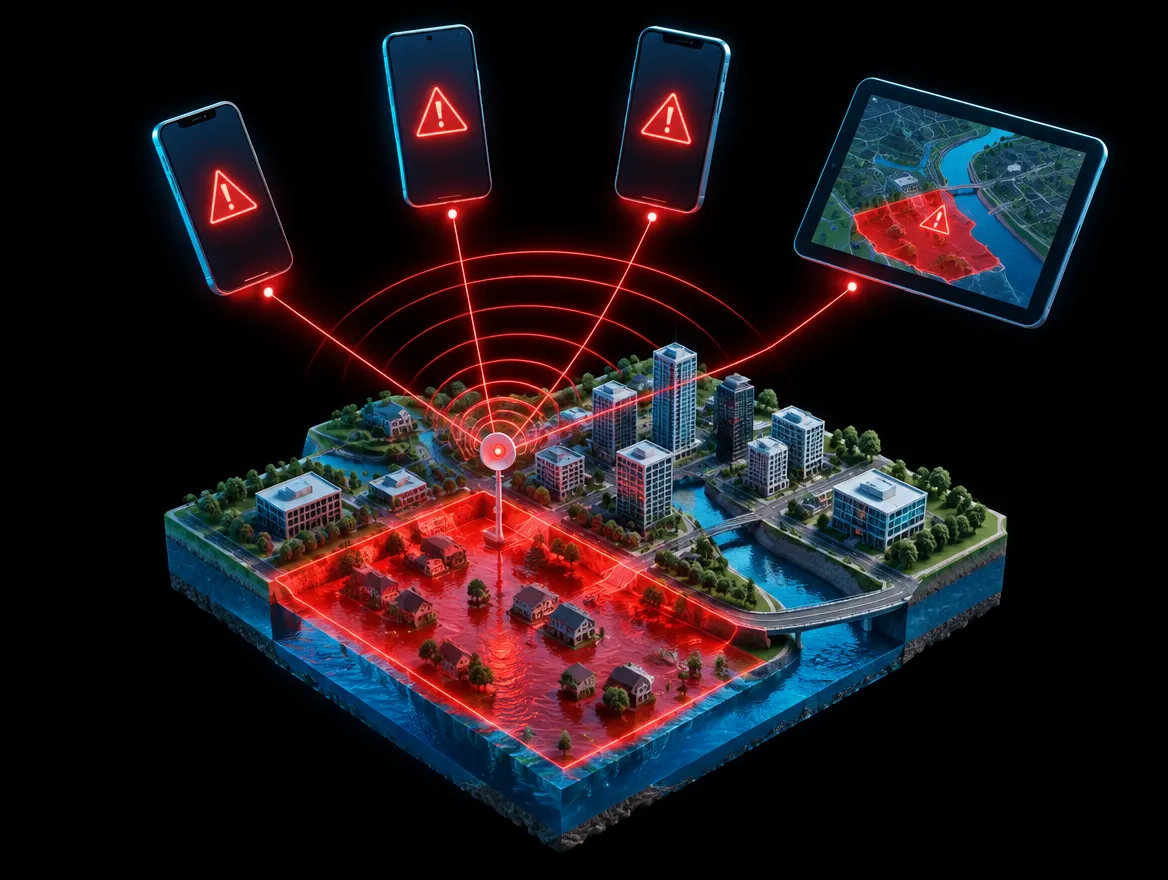
Entry closed per institutional criteria, detours issued
- 05
Record
Rain, water level and closure time logged to refine criteria
Sources
- 오송참사에도 지하차도 159곳 침수 대비 통제기준 없어 — 이투데이, 2024
- 행안부, 추모식 준비상황 및 제도개선 사항 점검 — 뉴시스, 2026
- 오송 참사 3년… 서울 지하차도 94곳 사람·기술 이중 안전망 — 더팩트, 2026
- 오송 참사 왜 못막았나 했더니… 지하차도 침수 매뉴얼도 없었다 — 다음 뉴스, 2023