What weather services recommend
| Item | Recommendation |
|---|---|
| Distance from obstacles | At least 2× the obstacle height, ideally 4× |
| Collector height | About 0.3 m above ground (Australian BoM and UK Met Office standard) |
| Surroundings | Open spot away from structures that block or accelerate wind |
Example: for a 5 m building, at least 10 m away
Why cities are hard
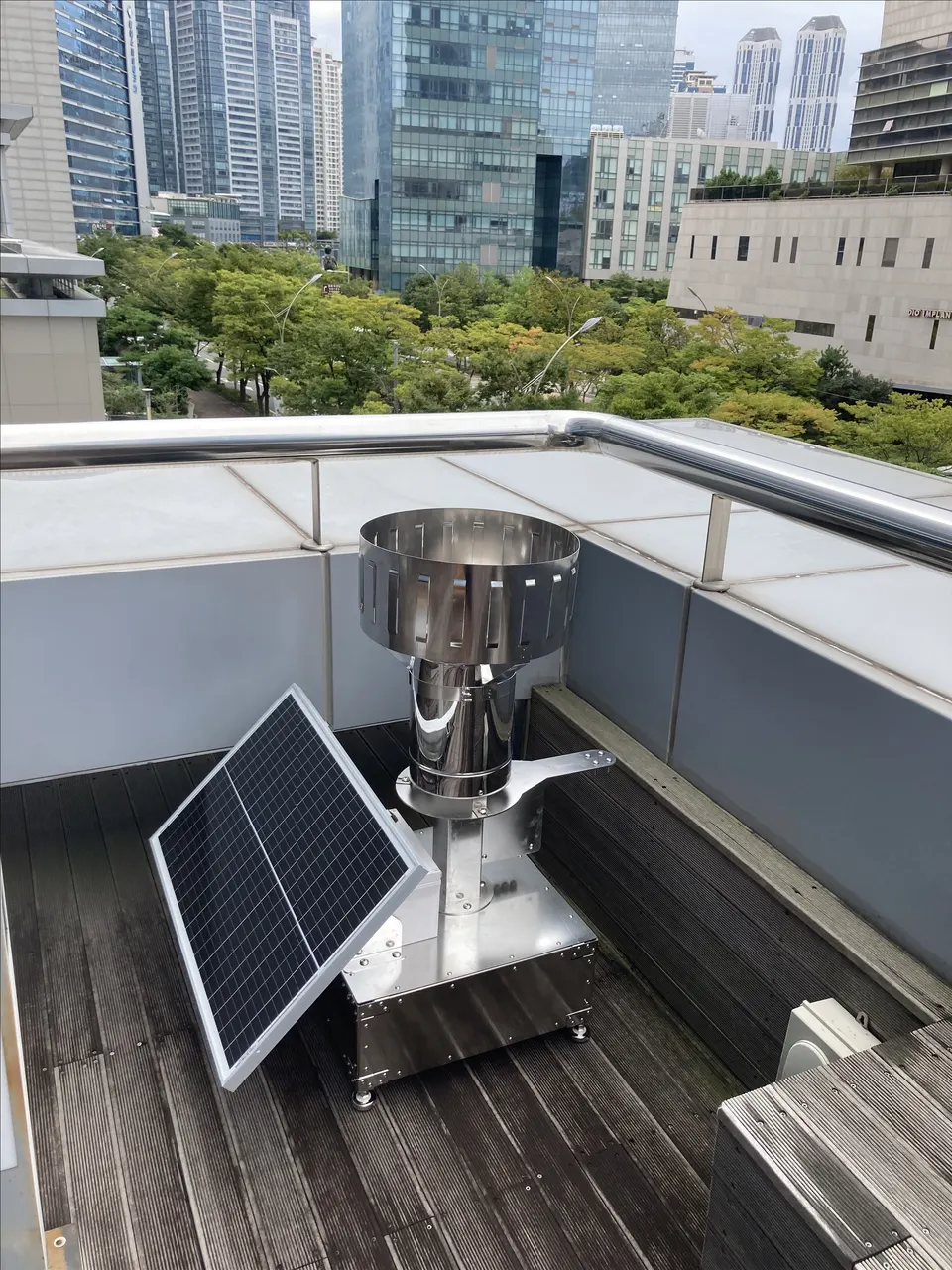
- Open flat ground is scarce, so rooftops and roadsides are common
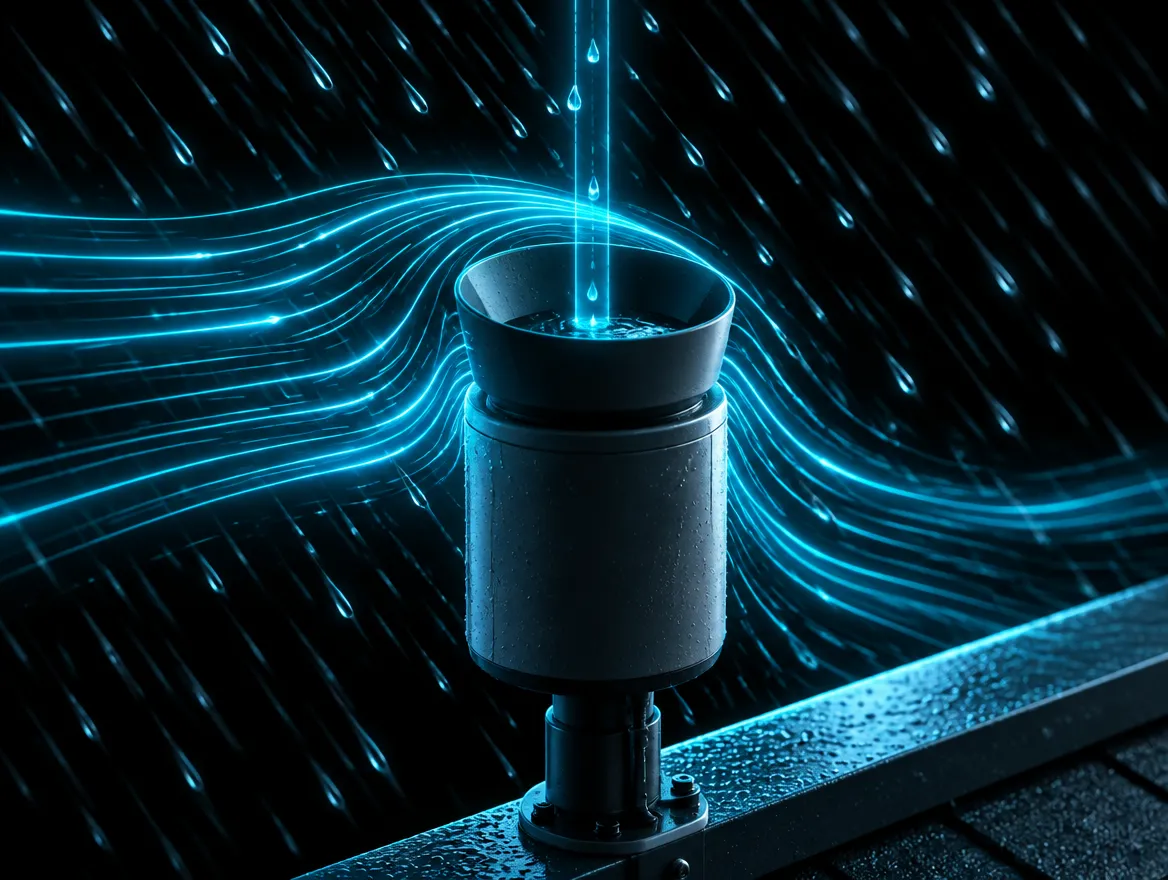
- Higher mounts face stronger wind and catch less rain
- Turbulence between buildings adds error
What it takes
- Review wind, sun and obstacles on a 3D city model before installing
- Measure wind direction and speed to correct wind effects
- Mark every value as raw or corrected, with quality status
Sources
- Observation of rainfall — Australian Bureau of Meteorology
- WOW site ratings — location attributes — Met Office
- Cooperative observer equipment — U.S. National Weather Service
- Guide to Instruments and Methods of Observation (WMO-No. 8) — WMO