
Products · Device
Smart Rain Gauge RS-V, measuring rain across the city
Summary
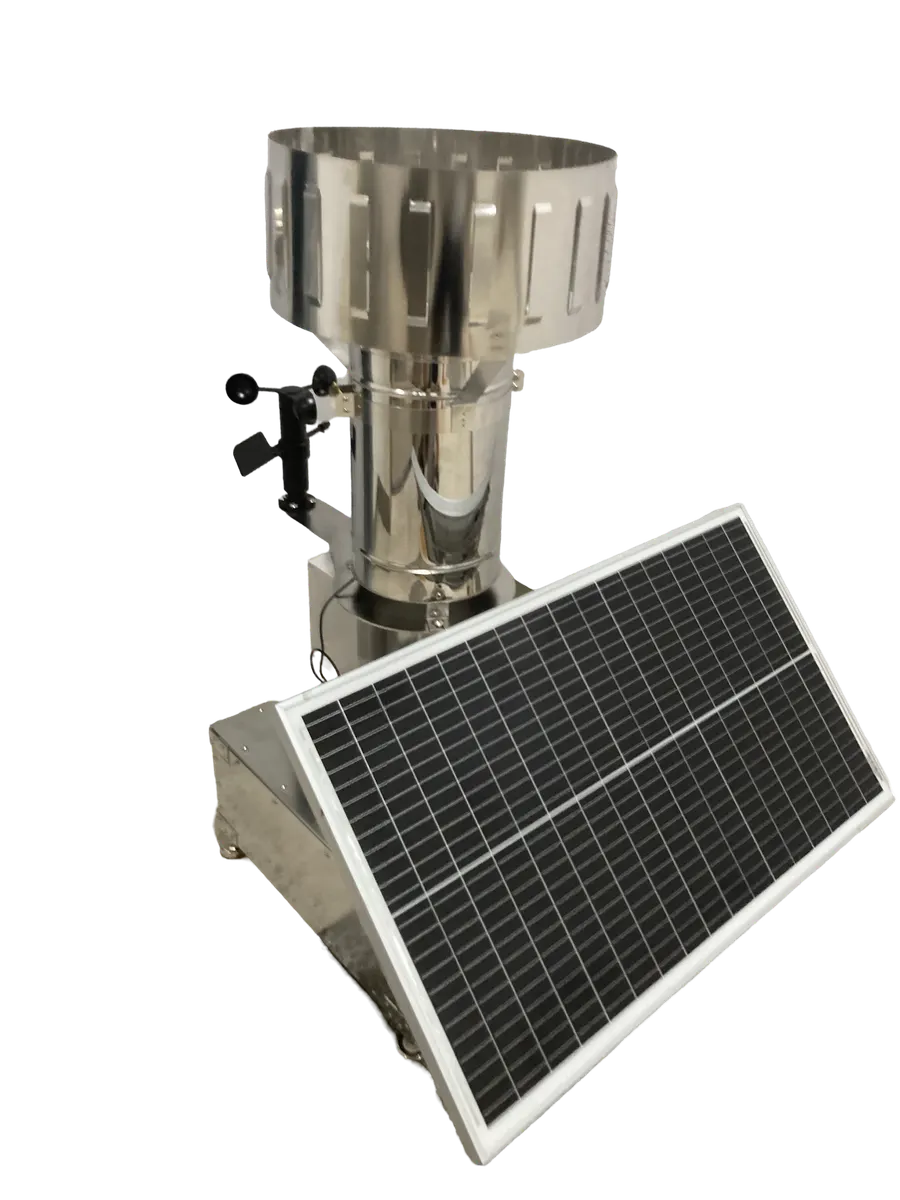
RS-V observes rainfall and wind every minute, and supports solar power and wireless communication configurations. We review the installation environment and deploy it in a way suited to the site — rooftop, pole and more.
Site requirements
- A location with a certain amount of daily sunlight (when running on solar power)
- A location with wireless coverage, or a separate gateway
- A mounting structure that can bear the device weight and wind load (rooftop slab, pole, etc.)
- Access for regular inspection and cleaning of the collector
Maintenance
Remote status monitoring
Checks power, communication and reading status remotely to quickly identify observation gaps.
Regular inspection
Regular inspection tasks such as collector cleaning and calibration are included in the operating plan.
Fault response
When an issue is detected, on-site action follows the inspection procedure.
Installation fitted to the city
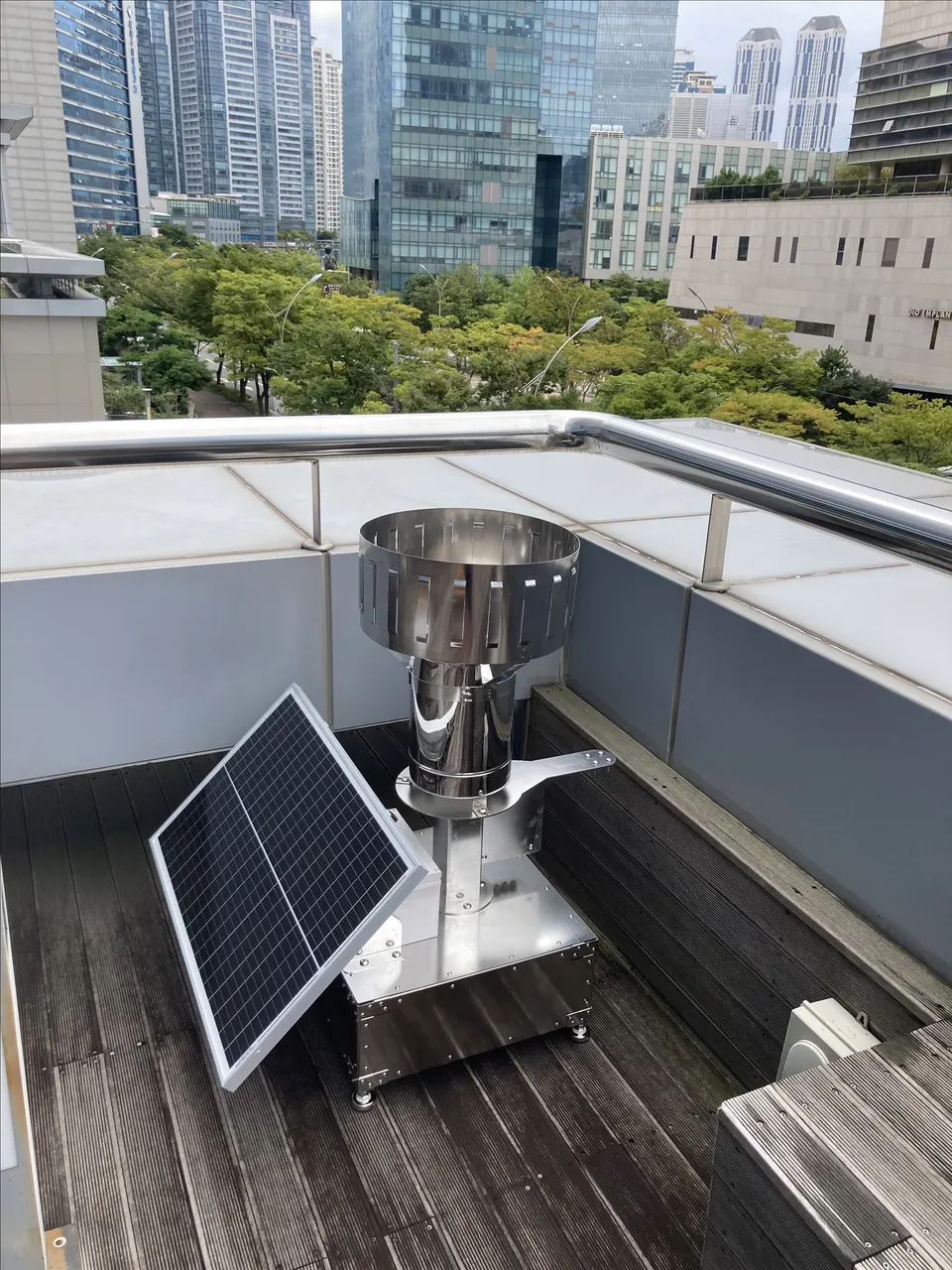
A mounting-bracket method is used on building rooftops, and a pole (smart pole) method along roadsides and streams. Using solar power and wireless communication can reduce wiring work, and the mounting structure and safety are reviewed for each site.
Before installation, the location is chosen after reviewing the wind effect of surrounding buildings and terrain; after installation, the integration status and initial observation values are checked.
Integration
Field Rainfall Data API
Delivers corrected one-minute observations into institutional and corporate systems.
Flood Watch
Connects directly as an observation point to the monitoring screen and alert features.
Existing monitoring systems
Integration with existing systems, such as disaster operations rooms or road monitoring, is configured through discussion.
Applications
Disaster management
Monitor flood-risk areas in real time to anticipate and respond to risk.
City management
Link with road, traffic and sewer management systems as weather infrastructure for smart cities.
Agriculture
Provide site-level rainfall data for crop and water resource management.
Environmental protection
Use rainfall records as baseline data for water resource management and environmental projects.
Production and shipment
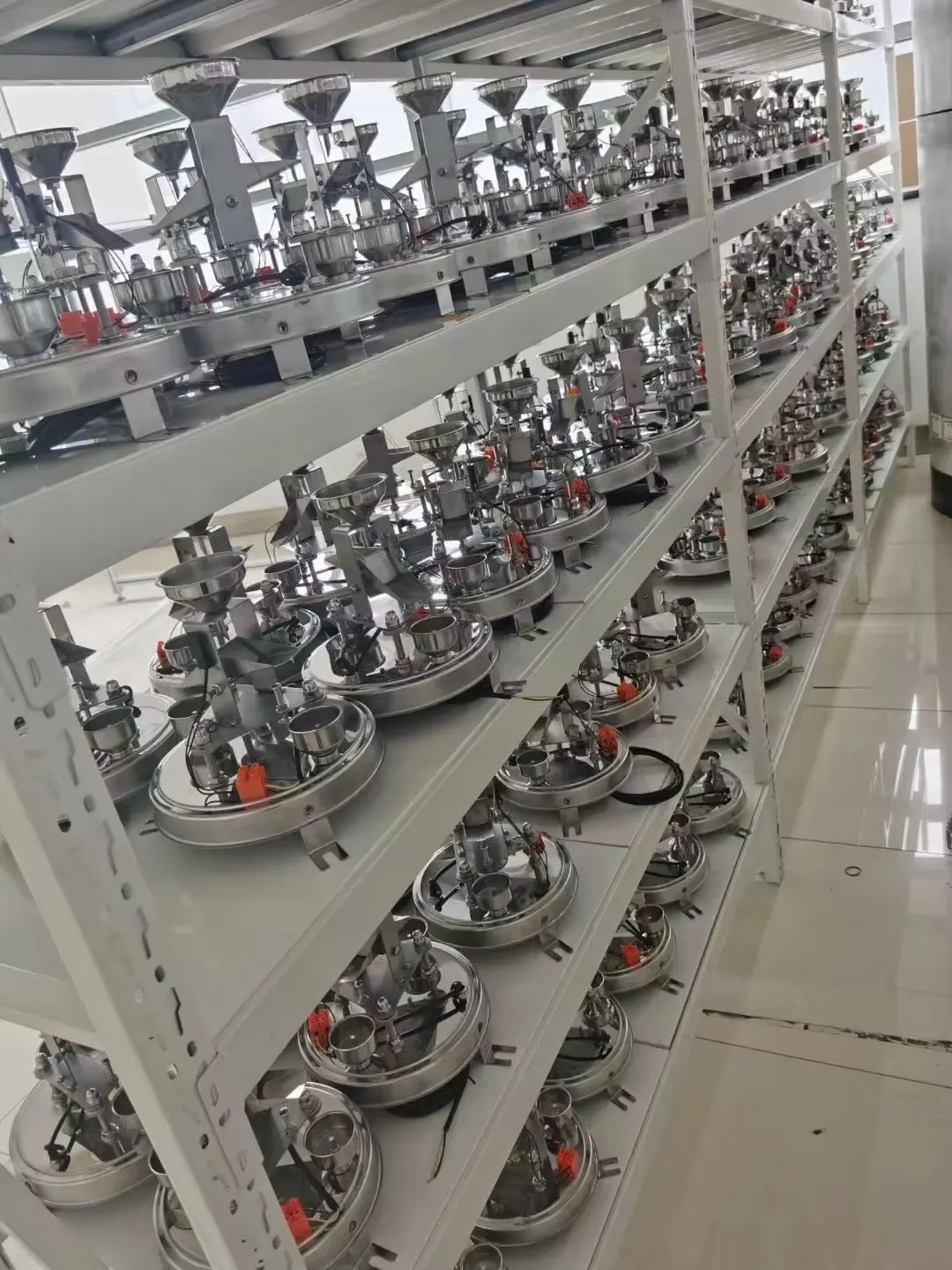
Rain gauge bodies in production 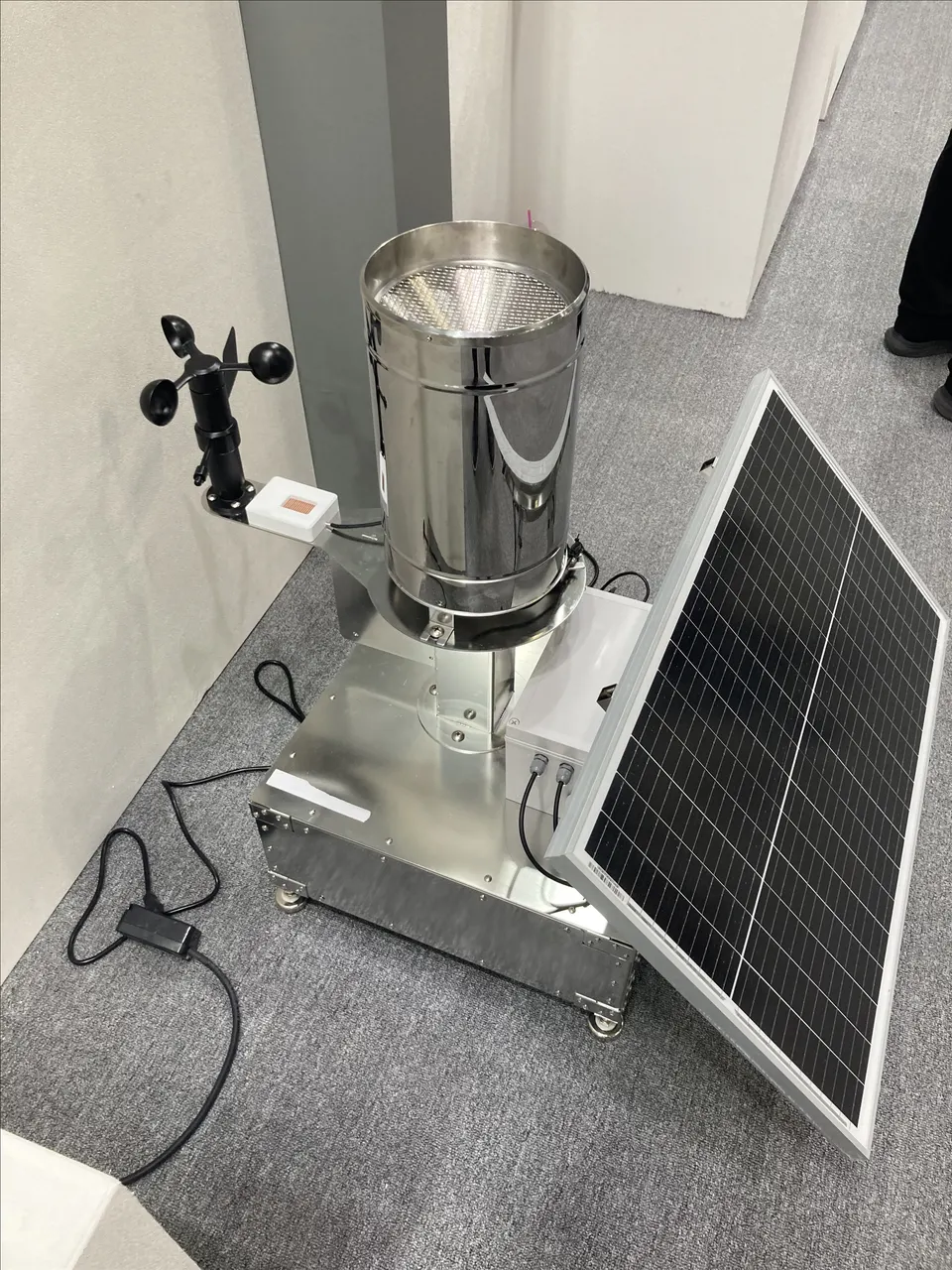
Pre-shipment assembly 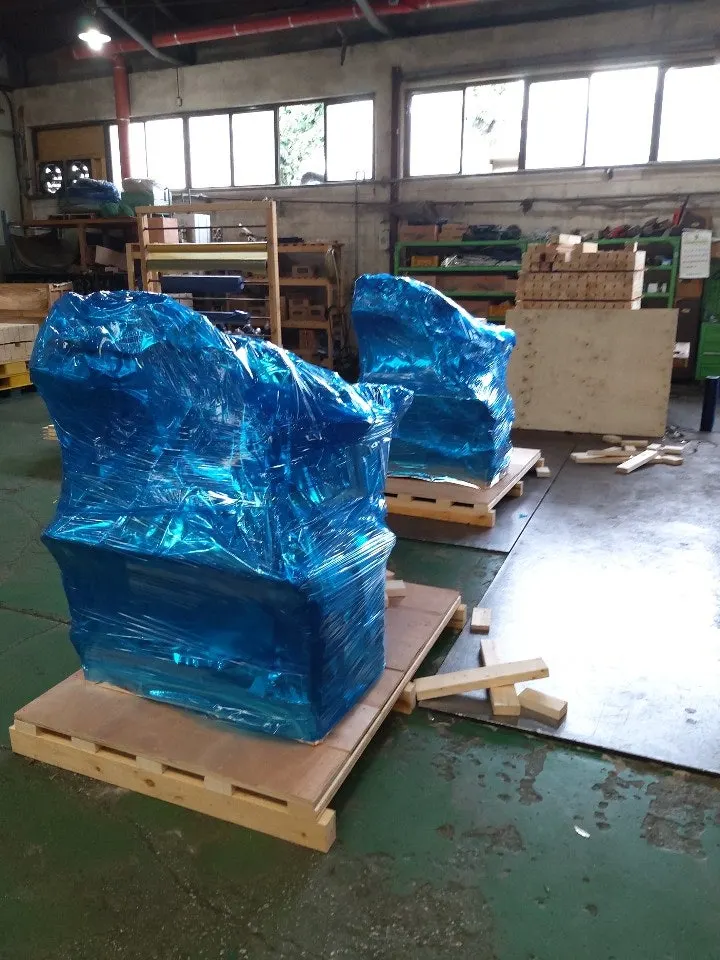
Packed for shipment
Frequently asked questions
Can this replace a Korea Meteorological Administration observation station?
The goal is to complement, not replace. It is meant to fill the gaps between public observation stations with dense field observation.
What does it cost?
Pricing depends on installation quantity, communication method and maintenance scope, so we advise through the contact page.
Read the Rain. Protect What Matters.